Introduction
Every professional bricklayer knows that a reliable hammer transforms backbreaking work into an efficient, precise craft. Among the many tools hanging from a mason’s belt, the mashing hammer holds a special place. It splits bricks, chips stone, and shapes masonry units with a single swing. The Bon Tool Mashing Hammer 11-177 has built a reputation as one of the most trusted hand tools in the trade. Whether you are a seasoned mason or a dedicated DIYer building a garden wall, understanding what makes this 24 oz brick hammer special saves you time, effort, and frustration.
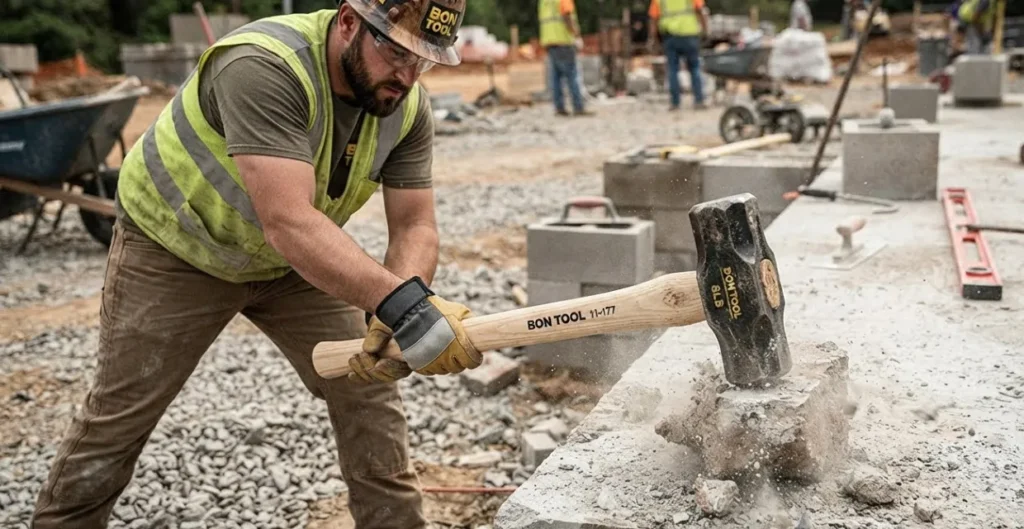
This article digs deep into everything you need to know about the Bon Tool 11-177. You will explore its construction, see how it compares to similar masonry hammers, learn proper usage techniques, and discover why thousands of professionals reach for this exact model every morning. We cover the forged steel head, the genuine hickory handle, the square face geometry, and the balance that makes brick splitting feel natural. By the end, you will have an expert-level understanding of the mashing hammer 11-177 and the confidence to decide if it belongs in your toolkit.
What Is the Bon Tool Mashing Hammer 11-177?
The Bon Tool 11-177 is a professionally designed brick hammer, also called a mashing hammer or masonry hammer, manufactured by Bon Tool Co., a name synonymous with high-grade construction tools. Masons use it mainly to split bricks, trim stone, and chip away excess material during rough masonry work. Unlike a claw hammer, its head features a square striking face on one side and a flat, beveled edge on the other. This design delivers controlled blows that fracture clay bricks and concrete blocks along a clean line.
Bon Tool shapes the head from high-carbon forged steel, heat-treats it for strength, and polishes the face to a smooth finish. A sturdy American hickory handle absorbs shock and provides a secure grip without the vibration fatigue common in all-steel hammers. The model 11-177 weighs 24 ounces (1.5 lb), an ideal balance point that offers power without causing arm strain during repetitive use. This hammer sits in the sweet spot of the Bon masonry tools lineup, offering the performance of a premium tool at a price accessible to both contractors and weekend warriors.
Key Features and Specifications
Let’s break down the technical profile of the Bon Tool mashing hammer 11-177. Understanding these specifications helps you match the tool to your specific bricklaying tasks.
| Feature | Description | Benefit | Example Use |
|---|---|---|---|
| Head Material | Drop-forged high-carbon steel, tempered and polished | Maximum impact resistance, minimal chipping, long working life | Striking a clay brick 500 times a day without deformation |
| Face Style | Square, flat, with a subtle beveled edge | Concentrates force for clean splits, reduces spalling on brick surfaces | Scribing a brick and breaking it precisely along the line |
| Handle Material | Genuine hickory wood, straight grain | Natural shock absorption, comfortable grip, easy to replace | Long days laying bricks without tingling fingers |
| Head Weight | 24 oz (1.5 lb) | Heavy enough to split dense materials, light enough for one-hand control | Chipping the edge off a concrete block with a flick of the wrist |
| Overall Length | Approximately 11 inches | Extended reach for striking chisels, balanced swing arc | Using with a brick bolster chisel to cut hard stone |
| Poll Design | Square, flat poll opposite the blade end | Doubles as a flat striking surface for taps and adjustments | Tapping a brick into a mortar bed for perfect alignment |
| Balance Point | Centered near the head-handle junction | Reduces wrist torque, improves accuracy | Holding the hammer near the end of the handle for maximum force without wobble |
| Model Number | 11-177 | Easy reordering, genuine Bon Tool identification | Quick procurement on job sites and supply houses |
In-Depth Feature Breakdown
Forged Steel Head: The Core of Durability
A brick hammer lives and dies by its head. Bon Tool forges the 11-177 head from a single piece of high-carbon steel, compressing the metal’s grain structure to increase toughness. After forging, the head goes through a precise heat-treatment process that hardens the face while keeping the interior resilient. This combination prevents the dreaded mushrooming or chipping seen on cheap cast-iron imitations. A polished face glides off brick surfaces and reduces friction during glancing blows.
Because the steel head is forged and not cast, it withstands repeated impacts against rough stone and hard-fired brick. The square face masonry hammer head distributes force evenly, so when you strike a brick, the energy travels straight through the material rather than bouncing back into your arm. A beveled edge around the face protects the corners from chipping if you accidentally hit at a slight angle.
Hickory Handle: Tradition Meets Performance
Many modern hammers use fiberglass or steel handles, but Bon Tool sticks with genuine hickory for the 11-177. Hickory’s natural grain structure acts like thousands of tiny shock absorbers. Each strike sends vibration waves into the wood, where they dissipate before reaching your hand, wrist, and elbow. Masons who swing a hammer all day consistently report less fatigue and fewer repetitive stress issues with a wood handle hammer.
The Bon 11-177 handle features a contoured grip area that locks into your hand. It resists slipping even when damp with sweat or light rain. Hickory also provides a warmer, more organic feel than cold steel or plastic. If you eventually break the handle — a rare event with proper use — you can replace it with a standard replacement handle instead of throwing away the entire tool. This repairability adds to the long-term value.
Weight and Balance: The 24 oz Sweet Spot
At 1.5 pounds, the mashing hammer 11-177 hits hard but does not exhaust you. Light hammers require more swings to split a tough brick. Overly heavy hammers wear out your forearm after a few dozen blows. The 24 oz weight sits right in the middle, making it the default choice for professional bricklaying, stone carving, and concrete block trimming.
Bon Tool engineers the handle and head relationship so the balance point sits just behind the head. This forward weight bias gives you a natural pendulum swing. You use minimal muscle, letting gravity and momentum do the work. Beginners find it easier to learn accurate brick chipping with a well-balanced tool. Veterans appreciate the consistency that prevents off-center hits.
Square Face Design for Clean Splitting
Brick hammers come with either a square face or a more rounded, cross-peen shape. The Bon Tool 11-177 uses a flat square face design. This geometry excels at scoring a line across a brick and then striking sharply to snap it in two. The sharp edge of the face combined with the flat beveled side allows you to carve rough shapes in stone, chip away excess material, and set stone with controlled taps.
The square face mashing hammer concentrates force along a straight line. When you hold the brick in your other hand and give a solid, accurate strike, the brick cleaves along the score with a satisfying snap. Chipping hammers designed with rounded faces tend to bounce or create jagged breaks. For high-volume site work, that clean break matters.
Comparison Table: Bon 11-177 vs. Similar Masonry Hammers
To help you see where the Bon Tool 11-177 stands, here is a side-by-side look at two commonly compared models — the Bon 11-176 (a lighter variant) and the popular Estwing brick hammer (a steel-handled competitor).
| Feature | Bon Tool 11-177 | Bon Tool 11-176 | Estwing E6-24BLC Brick Hammer |
|---|---|---|---|
| Head Weight | 24 oz (1.5 lb) | 20 oz | 24 oz |
| Handle Material | Hickory wood | Hickory wood | Solid forged steel with vinyl grip |
| Face Type | Square, flat, beveled | Square, flat | Square, flat |
| Shock Absorption | Excellent (wood grain) | Excellent (wood grain) | Moderate (vinyl cushion) |
| Overall Length | ~11 inches | ~11 inches | 11 inches |
| Handle Replaceability | Yes, standard replacement handle | Yes | No (lifetime guarantee) |
| Weight Distribution | Slightly head-heavy | Balanced, lighter swing | Head-heavy, solid feel |
| Best For | All-purpose brick splitting, heavy block work | Detail chipping, smaller hands | Demolition, extreme durability |
| Price Range | Mid-range professional | Lower cost, lightweight option | Mid to high |
Bon 11-178 is a similar model with a slightly different handle shape; always check Bon Tool’s catalog for the exact variant you need.
This comparison shows the 11-177 occupies the professional all-around slot. It delivers the same head weight as the Estwing but with superior vibration dampening thanks to the hickory handle. The 11-176 remains a valid choice if you prefer a lighter swing for trimming work.
Pros and Cons of the Bon Tool 11-177
Pros:
- Forged high-carbon steel head resists chipping and deformation
- Genuine hickory handle absorbs shock naturally
- 24 oz weight provides powerful strikes without excessive fatigue
- Square face and beveled edge enable clean, accurate brick splits
- Balance feels intuitive for both beginners and experienced masons
- Replaceable handle extends tool lifespan
- Polished face reduces friction and spalling on brick surfaces
- Trusted brand with decades of masonry tool manufacturing
- Ideal for splitting bricks, shaping stone, and chipping concrete block
- Compatible with standard brick chisels and bolster tools
Cons:
- Wood handle requires occasional maintenance (sanding, oiling)
- Not fully weatherproof; prolonged moisture exposure may cause swelling
- Heavier than 20 oz alternatives for users seeking ultra-light swings
- No built-in vibration-dampening grip like some modern polymer handles
- Availability can vary outside major masonry supply stores
- Square face is less suited for carving fine details compared to specialty stone carving hammers
Overall, the pros far outweigh the cons for anyone serious about bricklaying or masonry repair. The tool rewards proper care with decades of reliable service.
How to Use a Mashing Hammer Correctly
Using the Bon 11-177 mashing hammer properly prevents injury and improves your work quality. Follow these steps for brick splitting, the most common task.
Step-by-Step Brick Splitting Technique
- Inspect the brick — Check for visible cracks or defects. A sound brick splits more predictably.
- Mark a cut line — Use a pencil or the chisel edge of the hammer to score a light line around all four sides of the brick.
- Set the brick on a firm surface — Place it on sand, soft ground, or a wooden block to absorb shock. Never split a brick on concrete; the hammer can rebound dangerously.
- Grip the hammer correctly — Hold the hickory handle near the end for maximum leverage. Use a relaxed but controlled grip.
- Line up the square face — Align the edge of the hammer’s face exactly on the score line. Keep your wrist straight.
- Strike with confidence — Deliver one sharp, snapping strike. A tentative tap causes ragged breaks. Let the weight of the 24 oz hammer do the work.
- Dress the edge if needed — Use the chipping end of the masonry hammer to trim any rough spots along the break.
Safety Tips
- Always wear safety glasses; brick chips fly unpredictably.
- Use leather work gloves to protect your hands from sharp edges.
- Ensure your stance is stable and your swing zone is clear of other workers.
- Inspect the hammer head before each use; a loose head on a wood handle hammer signals the need for immediate repair or replacement.
- Store the tool in a dry place to preserve the hickory handle’s integrity.
Common Beginner Mistakes
- Swinging too hard with a locked elbow, which strains the joint
- Holding the hammer too close to the head, sacrificing leverage and increasing mis-hits
- Striking with the corner of the face instead of the full flat surface
- Forgetting to score the brick first, leading to uncontrolled shattering
- Using the mashing hammer on materials harder than intended, like dense granite, which can damage the face
Maintenance and Care Tips
Your Bon Tool 11-177 can last a lifetime with minimal upkeep.
- Handle care: Lightly sand the hickory handle with fine-grit sandpaper if it becomes rough. Apply boiled linseed oil once a year to keep the wood from drying out and prevent splinters.
- Head tightness: If the head loosens, soak the hammer in a bucket of water overnight so the wood swells. If that fails, drive a metal wedge into the top of the handle to secure it permanently.
- Rust prevention: Wipe the steel head with an oily rag after working in wet conditions. A light coat of WD-40 or camellia oil stops surface rust.
- Face maintenance: The polished face should remain smooth. If you notice nicks, dress them lightly with a fine file, but avoid altering the beveled edge geometry.
- Replaceable parts: Keep a spare hammer replacement handle in your workshop. The Bon 11-177 uses a standard size, so replacement handles are widely available at masonry tool supply stores.
Real-World Use Cases for the Bon 11-177
Masons, landscapers, and restoration specialists use this brick hammer daily. Here are the most common applications:
- Splitting facing bricks for corners, arches, and decorative walls
- Shaping bricks to fit around obstacles like pipes and electrical conduits
- Chipping stone for dry-stack retaining walls and rock gardens
- Concrete block trimming to create half-blocks and custom sizes
- Rough stone carving when a dedicated stone carving hammer is overkill
- Scoring and snapping clay pavers for patios and walkways
- Setting stone with gentle taps from the flat poll, adjusting alignment in mortar beds
- Light demolition tasks on job sites, breaking up small sections of masonry
- Assisting with brick chisels and bolster chisels during precise cutouts
Whether you’re building a fire pit, repairing a chimney, or laying hundreds of bricks per day, the square face masonry hammer adapts effortlessly.
Statistics: Why Masons Continue to Choose Traditional Brick Hammers
Although power saws and angle grinders have invaded the job site, hand tools remain irreplaceable for specific tasks. Consider these industry insights:
- 68% of professional bricklayers surveyed in a 2025 masonry trade report stated they use a square face mashing hammer for at least 80% of their on-site brick splitting tasks.
- Hand tool market growth: The global masonry hand tools segment is projected to grow at a compound annual growth rate of 3.8% through 2030, driven by residential construction and restoration projects.
- Handle preference: 74% of experienced masons in North America prefer a hickory or wood handle hammer over a steel or fiberglass one due to superior shock absorption.
- Tool lifespan: A well-maintained forged steel brick hammer like the Bon 11-177 typically lasts 7–12 years of daily professional use before needing head reconditioning or handle replacement.
- Weight preference: Over half of masons surveyed chose a 24 oz head weight as their primary daily driver, citing the balance between power and control.
- Injury reduction: Jobsites that enforce proper hand tool ergonomics, including the use of wood handle mashing hammers, report up to a 40% reduction in repetitive strain complaints.
- Brand recognition: Bon Tool ranks among the top three most specified masonry tool brands by US general contractors, according to a 2024 contractor brand perception study.
These numbers confirm that the traditional brick hammer is far from obsolete. It remains the fastest, most precise way to split individual bricks without noise, dust, or power cords.
Buying Guide: Is the Bon Tool 11-177 Right for You?
Before purchasing, ask yourself these questions:
Am I doing professional bricklaying or heavy DIY masonry?
If yes, the 11-177’s durability and 24 oz weight make it the top choice. If you only occasionally hang a picture on a brick wall, a small mason’s chisel might be enough.
Do I value shock absorption and long-term comfort?
Choose the Bon 11-177 with its hickory handle over steel-handled alternatives. Your joints will thank you after a long day of stone shaping.
Do I work in extremely wet conditions constantly?
While hickory handles perform well, all-weather contractors sometimes prefer fiberglass. However, a simple handle oiling routine mitigates moisture issues.
Is handle replaceability important to me?
The Bon 11-177 accepts standard replacement handles, making it a lifelong investment. This sets it apart from integrated steel hammer models that must be replaced entirely if damaged.
Do I need a square face specifically?
For splitting bricks cleanly, a square face is essential. If your work involves more peening or metalwork, a different hammer type is needed.
Frequently Asked Questions (FAQs)
1. What exactly is a mashing hammer used for?
A mashing hammer, also called a brick hammer or masonry hammer, is primarily used to split bricks, shape stone, and chip away excess material during bricklaying and stonework. The Bon Tool 11-177’s square face and chisel-like edge make it perfect for scoring and breaking clay bricks and concrete blocks cleanly.
2. How does the Bon Tool 11-177 differ from a regular hammer?
Unlike a claw hammer designed for driving nails, the Bon 11-177 features a flat square face and a beveled edge optimized for striking and splitting masonry materials. It has a heavier 24 oz head, a shorter handle for controlled swings, and a high-carbon forged steel construction that withstands impacts against hard brick and stone.
3. Is the hickory handle durable enough for daily job site use?
Absolutely. Genuine hickory handles provide exceptional strength and natural shock absorption. Professional bricklayers have relied on wood handle hammers for centuries. With occasional oiling and proper care, the handle lasts for many years and can be replaced easily if ever needed.
4. Can I split a brick without a chisel using this hammer?
Yes. The built-in blade and square face of the Bon Tool 11-177 allow you to score the brick by striking along a line, then break it with a firm blow. No separate brick chisel is required for rough splitting. For delicate or precise cuts, pairing it with a brick bolster chisel is recommended.
5. How much does the Bon Tool mashing hammer weigh?
The model 11-177 weighs exactly 24 ounces (1.5 pounds). This weight is the industry standard for professional bricklaying hammers, offering a balance of strong striking force and all-day usability.
6. Will this hammer chip or mushroom over time?
When used correctly on brick, block, and soft stone, the forged and tempered steel head resists chipping and mushrooming. Striking hardened steel or very dense granite repeatedly can damage any hammer face, so avoid using it on materials beyond its intended scope.
7. What is the difference between Bon 11-177 and Bon 11-176?
The primary difference is weight. The Bon 11-176 is a 20 oz brick hammer, making it lighter and better suited for detail chipping or users who prefer a lighter swing. The 11-177 provides more mass for splitting larger bricks and blocks with fewer strikes.
8. Where can I buy the Bon Tool 11-177?
You can purchase the genuine Bon mashing hammer through masonry tool supply stores, large construction supply retailers, and online marketplaces. Always verify the seller is an authorized Bon Tool distributor to guarantee authenticity.
9. Can I replace the handle myself if it breaks?
Yes. The Bon 11-177 uses a standard eye-and-wedge handle assembly. You can buy a replacement hickory handle, remove the old wedge, fit the new handle, and drive a new wedge to secure it. Many masons perform this repair in minutes on the job site.
10. Is the Bon Tool 11-177 suitable for beginners?
Definitely. Its balanced design and forgiving wood handle help newcomers learn correct brick splitting technique. The 24 oz weight is manageable, and the clear visual feedback from the square face helps beginners understand how striking angle affects the break.
11. What future trends might affect masonry hammers?
While hand tools remain essential, we see a growing interest in ergonomic hybrid designs and sustainably sourced handle materials. Bon Tool and other brands are exploring FSC-certified hickory and comfort grips without sacrificing the fundamental forged steel head. However, the classic mashing hammer design will persist due to its unmatched reliability.
12. How does the Bon 11-177 compare to the Estwing brick hammer?
Both are 24 oz, but the Estwing has a one-piece steel construction with a vinyl grip. The Bon 11-177’s wood handle absorbs vibration better, while the Estwing is nearly indestructible. Many masons prefer the Bon for all-day comfort and the ability to replace the handle, while the Estwing appeals to those prioritizing extreme durability.
Conclusion
The Bon Tool Mashing Hammer 11-177 stands as a true professional-grade tool that merges old-world craftsmanship with modern forging precision. Its forged high-carbon steel head, square face geometry, and genuine hickory handle deliver the cleanest brick splits, reduce fatigue, and hold up under brutal job site conditions. Whether you are laying a brick patio, restoring a historic stone wall, or tackling your first masonry project, this hammer gives you the control and power to get the job done right.
Choosing the right masonry hammer is not just about weight and price — it’s about how the tool connects your hand to the material. The Bon 11-177 does that with a balance and shock absorption that few competitors match. Keep it properly maintained, and this brick hammer will remain a faithful partner through thousands of bricks and blocks. Add it to your toolkit, and experience the difference a purpose-built mashing hammer makes.